|
During the first quarter of 2002, Safco (Saudi Arabian Fertiliser Company) made it known that it was studying plans to build a fourth fertiliser production plant in Al-Jubail, Saudi Arabia. The new production facilities were to be called Safco IV and would add to the company's three other production plants with a total capacity of 1.2 million tpa of ammonia and 1.5 million tpa of urea. Safco is an affiliate of Saudi Arabia's Sabic. During 2003 the company announced that it was to go ahead with project. The facilities are due to become operational in the first quarter of 2006. The plant will be the first to incorporate new ammonia technology developed by Germany's Uhde. PROJECT LOCATION The complex will be located in the industrial area of Al-Jubail. The production units will comprise a single train ammonia plant with a capacity of 1.1 million tpa, set to become the world's largest when complete, and a 1.1 million tpa urea plant. CONTRACT AWARD In May 2003, The Uhde Group, a Germany-based engineering and technology company, announced that it had been awarded a contract to build the Safco's new ammonia and urea production capacity. The Uhde Group is responsible for the entire basic and detailed engineering and procurement of equipment as well as the construction, project management, plant commissioning and training of plant operators. The contract is reported to be worth in excess of $500 million. Other bidders for the contract included an Italian/Japanese consortium and two other Japanese contractors. OFF-SITES Apart from the production plants with site will also comprise off-sites, including two ammonia storage tanks with capacities of 20,000tpa and 30,000tpa. Two urea storage facilities of 56,000tpa capacity and a seawater cooling unit will also be built. AMMONIA PRODUCTION PROCESS The ammonia plant will be based on new proprietary technology developed by The Uhde Group. The Dual Pressure Ammonia Process permits the construction of larger ammonia production plants. Uhde says that its process guarantees a modern, low-energy, environmentally friendly and particularly reliable plant concept. It is also said to have improved efficiency leading to lower costs. Safco IV is the first production unit to utilise Uhde's new technology. CATALYST TECHNOLOGY Uhde's proprietary ammonia process was developed by exploiting catalyst technology from UK-based Synetix. During 2003 Johnson Matthey acquired Synetix from ICI and formed Johnson Matthey Catalysts. Synetix is a trademark of Johnson Matthey. UREA PRODUCTION Process technology for the manufacture of urea is being licensed from Netherlands-based technology company Stamicarbon. Technology for the urea granulation process will be provided by Belgium's Hydro Fertilizer Technology. ENVIRONMENTAL TECHNOLOGY Germany's BASF is providing its aMDEA gas scrubbing process for Safco's ammonia plant. MDEA is BASF's abbreviation for the chemical methyldiethanolamine. The aMDEA gas scrubbing technology removes carbon dioxide and hydrogensulphide from ammonia. BASF says that there are 200 plants in operations or under construction which use the aMDEA process. BACKGROUND Once Safco's facilities are complete, Sabic's total urea output will rise to 2.6 million tpa while ammonia capacity will reach 2.3 million tpa. This rise in production is expected to coincide with an increase in demand for urea throughout international markets. Sabic has three fertiliser affiliates: Safco, Samad (Al Jubail Fertiliser Company) and Ibn Al-Baytar (National Chemical Fertiliser Company). |
![]() Expand ImageSafco is an affiliate of Saudi Arabia's Sabic. The company relies on the most advanced production technologies to ensure product quality, consistency and customer satisfaction. |
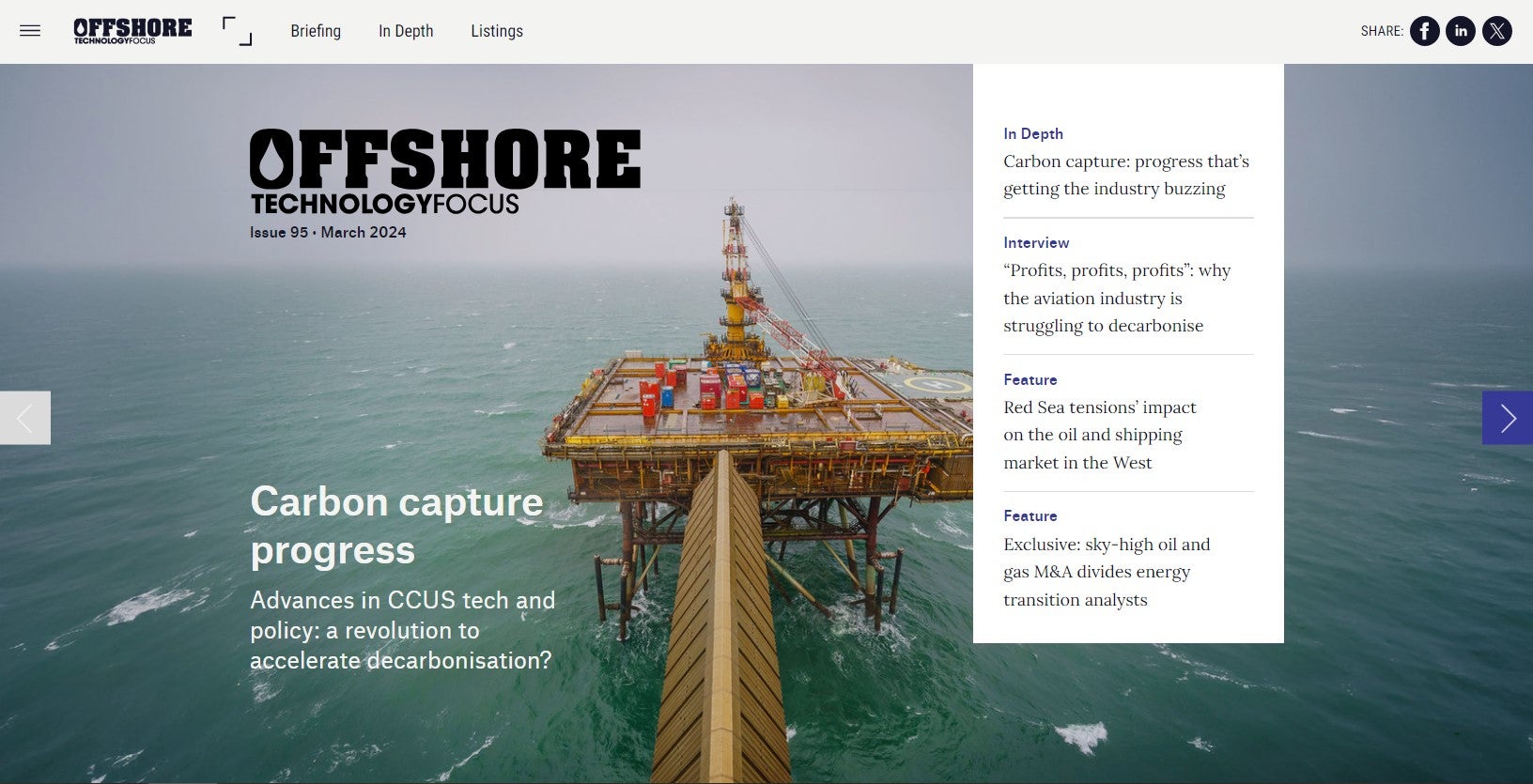
![]() Expand ImageThis natural gas plant in Scotland, UK, is one of many existing gas plants around the world that uses BASF's aMDEA technology. The Safco ammonia plant, which will be the world's largest, will also include this technology. |