Grangemouth Petrochemical Plant Expansion, United Kingdom

Email-Icon
 
Print-Icon
 
Link-to-us
key facts
Key Data
Order year
1998
Location
Grangemouth, UK
Estimated investment
$790 million
Completion
2001
Plant type
Ethylene & propylene
Sponsor
BP Amoco
Lead contractor
Stone & Webster

BP in Grangemouth, Scotland is expanding its petrochemicals facilities. The expansion involves increases to the plant capacity to produce ethanol, ethylene and polyethylene.

ETHANOL AND ETHYLENE PRODUCTION INCREASED

Ethanol production is being increased by 100,000t/yr, which along with the existing ethanol plant raises the site's ethanol capacity to around 300,000 t/yr. The facility is on schedule to be commissioned towards the end of the first quarter 2002. The ethylene cracker was commissioned in November 2001, and was expanded by 270,000t/yr to 720,000t/yr. This was the second expansion since the plant began in 1993. It came into production in 1999, in order to coincide with the availability of new feedstocks from the Central Graben Area of the North Sea. The Kinneil Terminal was expanded in 1993 to accommodate this. The total ethylene production of the plant will be one million tonnes per year.

HONEYWELL PURITY CONTROL SYSTEMS

This production is extremely pure, reaching 99.5% levels of purity. The production purity is maintained through advanced control systems, which allow a measure of problem prediction (and hence pre-emptive solutions). The overall control is through Honeywell TDC3000 systems. Before the latest stage of expansion, the KG ethylene facility included 13,000 field instruments, 445 junction boxes, 90 Marshalling Cabinets, 34 TDC 3000 Process and 565km of cabling connecting them all together. The firm has also developed a number of in-house measures to improve this control.

The suppliers in such a project are numerous. They include: Stone & Webster, Mitsui Babcock Energy Services, Kvaerner, Luddon, William Hare, Watson Norrie and SSL. BP built a new polyethylene plant, Innovene 4, which was commissioned in the second half of 2000 with capacity of 300,000t/yr. The polyethylene plant uses ethylene from BP's other plants at the same site. Indeed, the need to feed BP's polyethylene plant is one of the reasons for the ethylene plant's two expansions in the past decade.

CHP PLANT

The plant has also seen the construction of a new combined heat and power plant (CHP) built by IVO of Finland and Mitsubishi of Japan. It generates 230t/hr of steam and 130 MW of power, mainly for on-site needs. The new CHP plant was commissioned in April 2001.

The Grangemouth plant has various chemical processes involving cracking, quenching, compression and separation. Steam cracking requires very high temperatures, and it is a huge gain if the heat can be recovered for use elsewhere in the project. Similarly, steam derived from the quenching process is used to power steam turbines, which are used to power the plant compressors. BP is also extending its present Grangemouth to Teeside ethylene pipeline to its petrochemical facility in Hull, also undergoing expansion. This is a distance of 151km.

BP UK STRATEGY

In 1990, BP began streamlining its European petrochemical operations in order to focus its operations better. Hull and Grangemouth have emerged as the key UK sites for petrochemical operations as part of BP's long-term priorities. Hull has also had an extensive expansion. A new vinyl acetate monomer plant and a ethyl acetate plant have been added. In Grangemouth's case this is a natural result of its proximity to the refinery. The Grangemouth facility has benefited from more than £1 billion of investment since 1990. In 1998, BP announced a £500 million ($790 million) expansion package. From summer 2000 the plant has taken advantage of new liquid gas feedstocks coming from the central Graben area of the North Sea. The Grangemouth facility will see an additional ethanol plant, an ethylene plant and a polyethylene plant. Although the plants are being expanded, 1999 did see some redundancies at both of them. Nevertheless, these sites are the focus of future BP operations in the UK.

The new plant expansions should help BP in the UK increase mid-cycle earnings by cutting production and logistics costs. Many of the plant's products, such as ethylene, are reused in other chemical processes to produce other derivatives. The main exceptions are the methane used to fuel the plant's furnaces and the polypropylene, which is sold to fabric manufacturers.

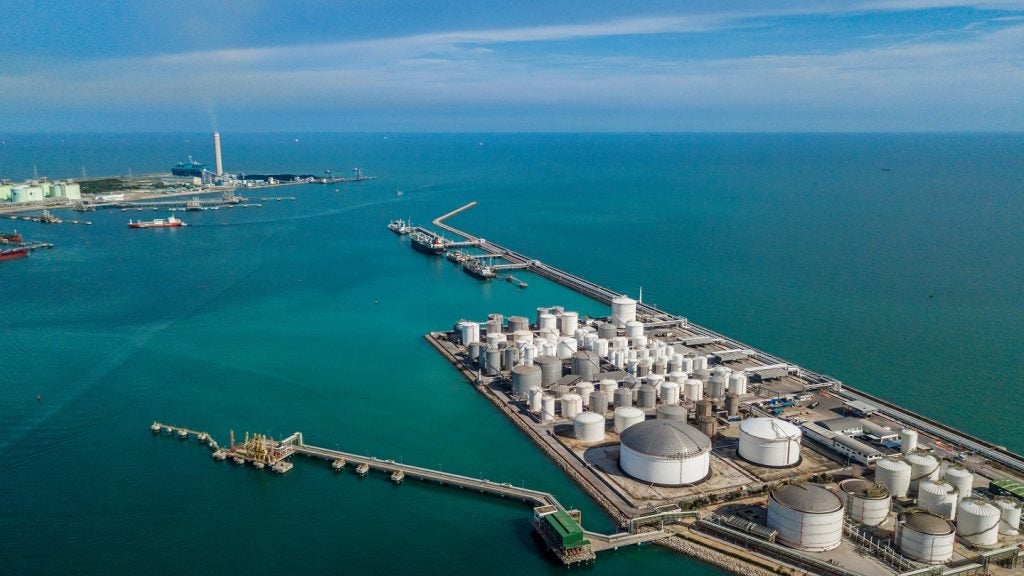
Grangemouth Plant

Expand Image Expand Image
View of Grangemouth Plant

ethylene process diagram

Expand Image Expand Image
Ethylene Process Diagram for Grangemouth

Grangemouth site

Expand Image Expand Image
View of Grangemouth Site

cracking process diagram

Expand Image Expand Image
Cracking Process Diagram


Post to:
Delicious  
Digg  
reddit  
Facebook  
StumbleUpon  

Suppliers
LoherNetherlocks Safety SystemsR. STAHLThe Flexitallic Group

Newsletter Sign-Up
For all the latest news in the industry, sign up here

Home
New On This Site
Products & Services
Company A-Z
Industry Projects
Features
White Papers
Jobs & Careers
Industry News
Events & Exhibitions
Newsletter
Advertise With Us
About Us
Client Area


RSS What is RSS
The website for the chemicals industry