| Acetex Methanol and Acetiles Plant | ||
Methanol is produced at the Acetex plant using the Lurgi mega methanol process. |
Al Jubail Industrial city is a major industrial centre; the new plant on the Tasnee Petrochemicals site is the first Acetex plant in the Middle East. |
Over 500,000t of acetic acid, 1.8 million tonnes of methanol and 275,000t of vinyl acetate monomer will be produced at the plant. |
Vinyl acetate monomer is an important chemical in polymer production. |
Products from the Acetex plant will be used to produce a variety of products, including polymers. |
|
| Al Jubail (AR RAZI 4) | ||
The Al Jubail (AR RAZI 4) methanol plant. |
||
| Atlas Methanol Production Plant, Point Lisas | ||
A 1.7mtpa methanol plant, said to be the world's largest, was brought on stream during the final quarter of 2004. |
The Atlas facility is positioned next to the Titan methanol plant. Methanex has a 10% interest in the Titan plant and markets 100% of the product. |
The methanol plant is based on MegaMethanol technology, which was developed and supplied by German-based engineering contractor Lurgi. |
| Bayport | ||
The new Bayport facility will include a 120,000t/yr acrylic acid plant and a butyl acrylate plant separately owned and managed by Elf Atochem. |
||
| Bioko Island | ||
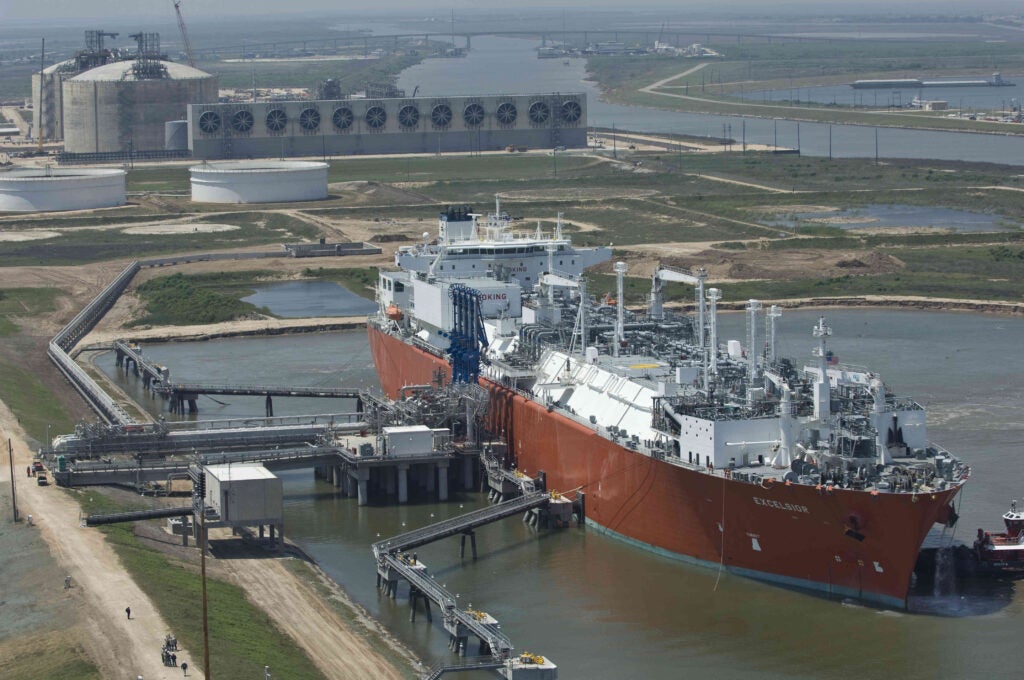
24"X (2) 12" Marine Loading Line PLEM/Loading System Manifold with Installation Sled Attached Prior to Beach Pull of PLEM and Pipeline. Isle de Bioko, Equatorial Guinea, West Africa. |
The positioning of Bioko Island is ideal for feedstock from the Atlantic gas fields. |
The Bioko Island plant can produce 900,000t of methanol per year. |
| Brunei Darussalam Methanol Plant | ||
A map of Brunei showing where the new plant will be constructed. |
Methanol can be used as a feedstock for a number of different processes. |
Methanol will be produced by the reaction of synthesis gas over a suitable catalyst provided by MGC. |
Methanol will not just be for use as a solvent; the plant will also produce other products for domestic use and export. |
The catalyst will largely consist of copper. |
|
| BSL Böhlen | ||
The BSL Acrylic Acid Plant in Böhlen, Germany. |
||
| Celanese Acetic Acid Plant, Nanjing | ||
Celanese's AO Plus technology uses carbon monoxide and methanol which are synthesised from gaseous methane. Rhodium and iodide are used as catalysts. The reaction to produce acetic acid is very fast. |
Celanese already has acetic acid production capacity in Singapore. Foster Wheeler, which was involved in developing the production plant, will draw on its experience as it works on the new plant. |
|
| Celanese Integrated Acetyls Complex, Jurong Island | ||
Celanese's integrated acetyls complex is part of the Singapore Petrochemical Complex is located on Ayer Merbau, part of Jurong Island. |
Singapore's petrochemical complex was launched in 1977 with the backing of international chemical companies including Celanese, Sumitomo Chemical, Shell and Chevron Phillips. A wide range of petrochemicals is produced at the site. |
Acetic acid is a versatile starting point for any number of industrial chemicals. |
| Chemiepark Marl | ||
Stockhausen and Rohm & Haas have decided on a large increase in production capacity for acrylic acid and butyl acrylate at the German Chemiepark Marl site. |
The plant is located in a large chemical manufacturing park in Marl. |
Acrylic acid is used for the production of a number of important polymers. |
Nappies use an absorbent material which requires acrylic acid to produce. |
||
| Chlor-Alkali Plant Expansion, Frankfurt Hoechst | ||
Membrane electrolysis technology is being introduced by LII Europe to process caustic soda, chlorine and hydrogen. |
The Frankfurt Hoechst plant will use the Aciplex® F perfluorosulfonic acid membrane. The membrane process for chlor-alkali electrolysis enables greater energy efficiency. |
The electrolysis cells used in modern chlor-alkali plants are large, the cross-section of a single membrane cell can be up to 2m by 4m. Each such cell can product 0.65mg/day of chlorine. |
Mercury was used as a negative electrode or cathode that works with a titanium anode to keep apart the highly reactive products involved when electricity is passed through brine. |
Although chlor-alkali plants are only responsible for 5% of mercury emissions in the atmosphere, chlorine producers in Western Europe have agreed not to build any new mercury processing plants, and many are looking at economically viable alternatives in order to comply with a total phase out of the mercury process by 2010. |
|
| Chuanwei | ||
The project is located in Chuanwei in Chongqing province, southern China. |
The plant has already been extended twice, first in 2000 and then in 2002. |
Yangtze River Acetyls Company can provide over 30% of China's acetic acid requirements. |
Acetic acid is a useful industrial chemical and China's demand is growing at 6% per year. |
||
| Ibn Rushd Acetic Acid Plant, Yanbu | ||
Sabic took seven years to perfect its acetic acid technology. The technology is wholly owned and patented to Sabic. It has been said that this is the first time that a modern grassroots petrochemical and industrial technology has been developed on this scale in the Middle East. |
The Ibn Rushd plant produces acetic acid using a new catalyst technology developed by Sabic. |
The process involves the oxidation of ethane using a molybdenum catalyst. |
| Jose | ||
The modified Claus (also known as conventional Claus) process is the workhorse in sulphur recovery, and is used in more plants world wide than any other process. |
||
| Jubail Acetyl Complex | ||
Work on Sipchem’s Jubail Acetyls Complex is advancing with all basic designs completed during the middle of 2005. Topographic and geotechnical surveys of the site have been completed. |
Detailed engineering, procurement and construction will begin at the site during the first quarter of 2006. Completion is scheduled for the third quarter of 2008. |
|
| Lovochemie Nitric Acid Plant, Lovosice | ||
Plans to develop the nitric acid plant were put in place during 2000. The proposed 900t/d nitric acid plant would replace old production capacity. |
Chemoprojekt was responsible for the construction of the production plant as well as the nitric acid storage facilities. Construction was started during the first half of 2001. |
Construction of the nitric plant was completed in 2002. During the first half of 2003 the nitric acid plant became fully operational. Lovochemie will use most of the nitric acid to make a number of nitrogenous fertilisers. |
| Methanex | ||
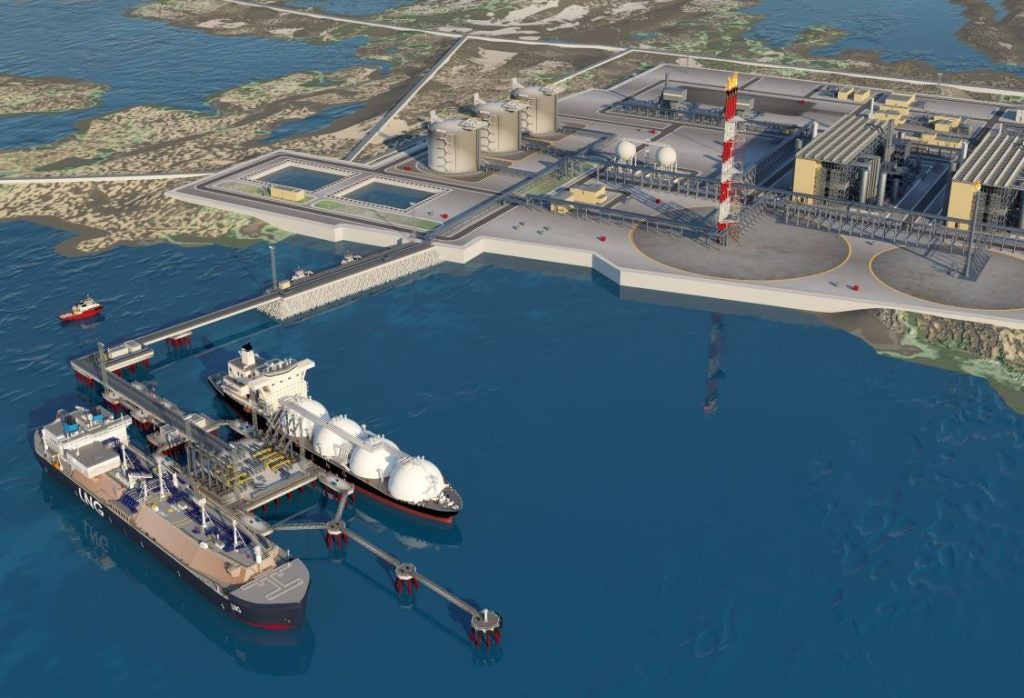
The Methanex methanol plant was to be on the northern coast of Australia. |
Syngas can be used as a feedstock for a range of products including methanol. |
During the second half of 2001, plans to bring gas supplies ashore were thrown into doubt when one of the petroleum companies involved in the natural gas pipeline deferred its development plans. |
| PetroChina Hydroformylation Plant, Sichuan Province | ||
The new Petrochina plant will be built in Chengdu, Sichuan province. |
The hydroformylation process showing a cobalt carbonyl catalyst; the hydroformylation section of the petrochemical plant will produce aldehydes and alcohols. |
338,000t of n-butyraldehyde and iso-butyraldehyde (pictured) will be produced by the Petrochina plant each year. |
Butanol, which is used as a solvent in adhesives, will be produced in the plant's two alcohol production units. |
An ethyl hexanol molecule; an important chemical for the production of plasticisers for PVC. |
|
| PKN Orlen PTA Plant | ||
During the first quarter of 2008 PKN Orlen announced that it had set aside some $2.4bn for a five-year growth plan which included capital investment in petrochemicals over the period 2008–2012. |
The European Investment Bank (EIB) has provided PKN Orlen with a €300m loan over a 12-year period. |
|
| Qatar Holding | ||
The plant will produce styrene for the downstream industries in Qatar. |
The new Qatar petrochemical complex will also produce ethylene for polyethylene production. |
Mesaieed Industrial City is situated 40km south of Doha and has excellent infrastructure as well as abundant feedstocks. |
Polypropylene will be one of the products from the petrochemicals complex, with an estimated 700,000t to be produced. |
||
| Secunda | ||
The new plant expands Sasol's range of oxygenated solvents, allowing the company to concentrate on higher value-added products since commoditised solvents are declining in price. |
The hexene plant came online in mid-2000. It has a capacity of 70,000 tonnes/year, and cost an estimated R240 million (about $37 million). |
|
| Starchem | ||
|
||
| Zhuhai | ||
|
||
| Zhuhai Biyang Chemical Co (BP Zhuhai Company) | ||
BP is the world's largest producer of PTA (purified terephthalic acid), the preferred raw material to make polyesters for fibres, container and film applications. |
John Berra, president Emerson Process Management: "We are encouraged by BP's confidence in our ability to provide system design, configuration, staging, acceptance testing, commissioning and start-up support." |
|