Sinopec to conduct feasibility study for new refinery in Sri Lanka
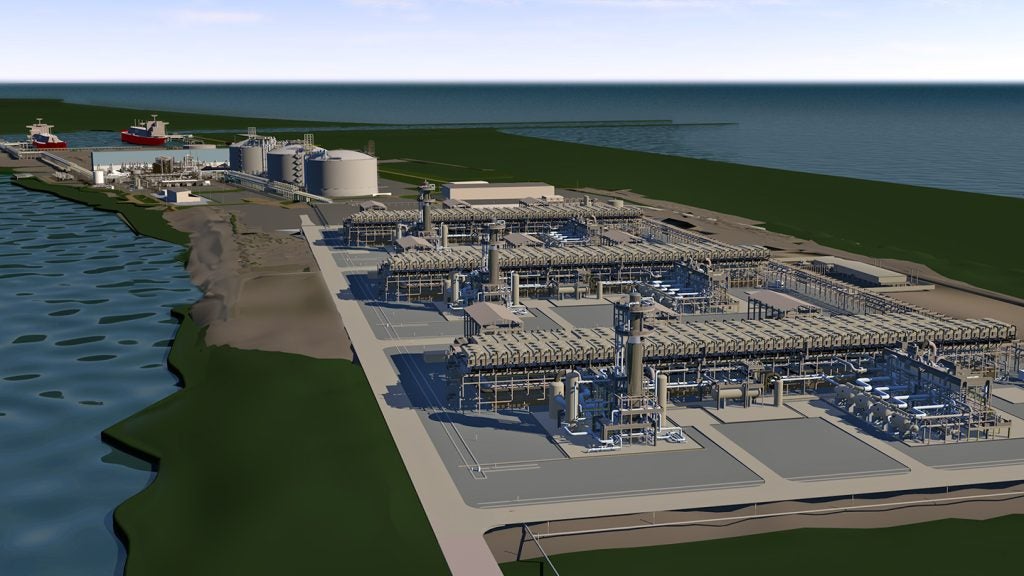
The company is expected to complete a feasibility study for a plant at the Hambantota port by June.


The company is expected to complete a feasibility study for a plant at the Hambantota port by June.


British energy giant bp has reduced its leadership team from 11 to ten members and made a number of new appointments.
The oil & gas industry continues to be a hotbed of patent innovation. Activity is driven by the need for...


Understand the themes driving your sector, keep up with key innovation areas and track the activities of leading companies

Offshore Technology Focus is the essential reading material for decision-makers in the global offshore oil and gas industry, bringing you the latest news and analysis in an exciting, interactive format. Subscribe




US increases royalty rates for companies drilling on public lands
‘Sheer scale of the challenge’ the biggest barrier to net zero in APAC
Venezuela’s former oil minister arrested for money laundering
How “energy-hungry AI” is straining grids and spreading climate disinfo